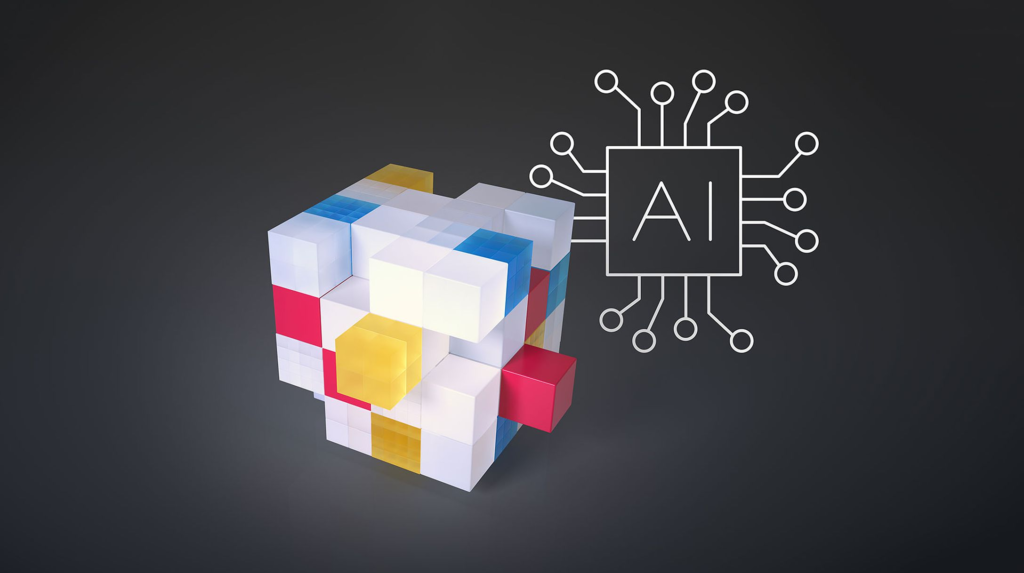
Vector has added AI-driven automation and Model Context Protocol (MCP) support to its CANoe development and test environment, allowing engineers to trigger complete workflows using natural-language prompts. With the release of CANoe Version 20 SP2, specialized AI agents can now interpret a written instruction, derive the necessary steps, and execute them automatically within the tool.
The new version integrates an MCP Server and a CANoe AI Package that lets an AI agent generate CAPL tests directly from requirements, run them, analyze any errors, correct the code, and rerun the tests without manual intervention. Engineers can still observe the process inside CANoe and set how much autonomy the agent is given. Vector says tasks that previously required hours or days of manual work can now be completed in minutes.
The AI layer itself—agents, skills and MCP tools—is supplied by Vector, but the underlying language model is brought in by the user, for example the LLM behind GitHub Copilot or Claude. Beyond test generation, prompts can be used to read and adjust configurations, control simulations, analyze communication flows, and generate or optimize CAPL, C# and Python code.
To keep responses grounded in verified information rather than model assumptions, the agents draw on a retrieval-augmented generation system, Vector-RAG, built from Vector's own documentation. According to the company, this setup should give newcomers faster access to CANoe while letting experienced users embed automated workflows, from single queries to fully orchestrated processes, into their existing setups.
Source: automotivetestingtechnologyinternational.com — read the original article